Ready to Skipper? Your Guide to a Smooth First Bareboat Charter
Why Your First Bareboat Charter Is Within Reach
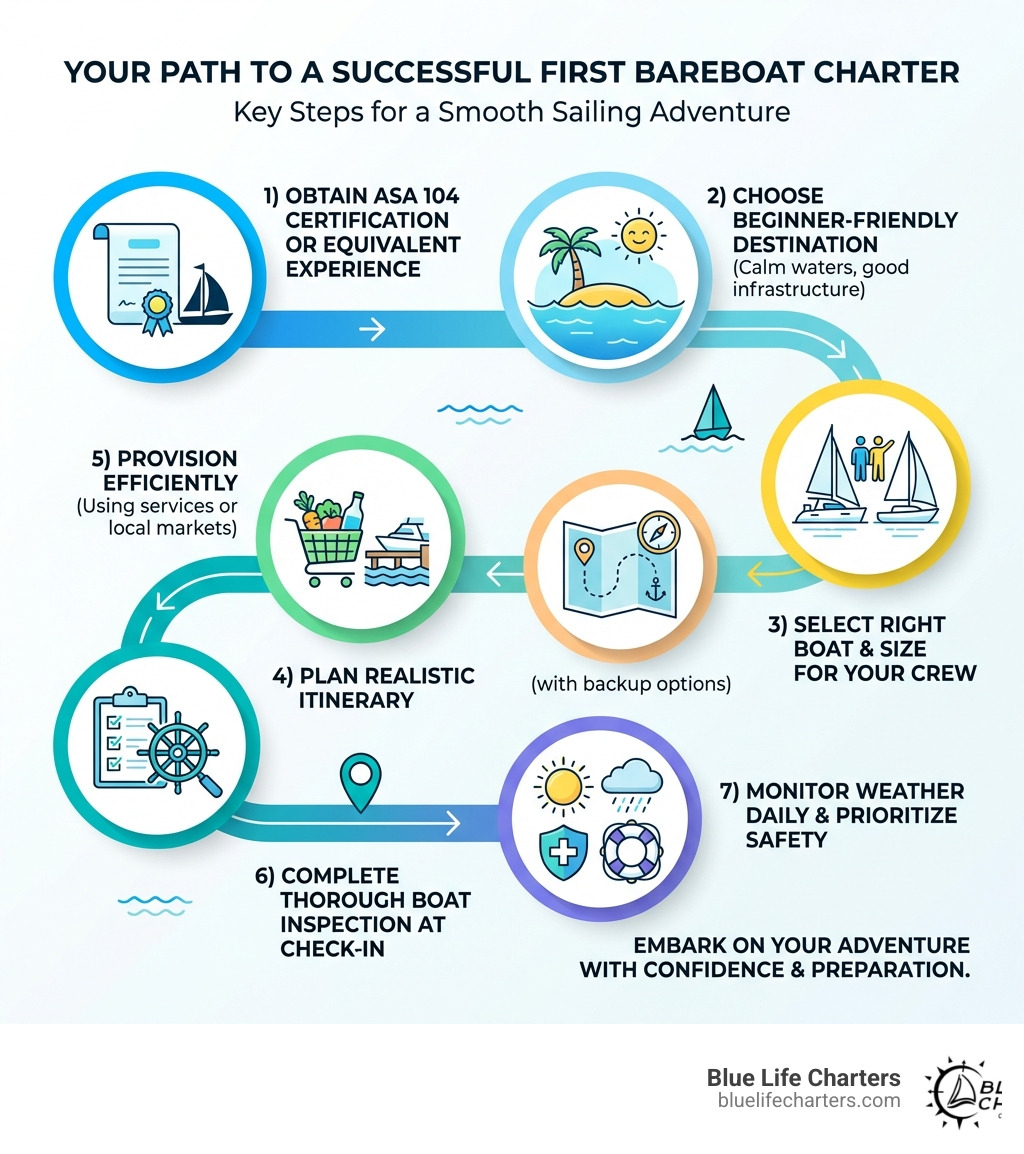
A first time bareboat charter is an exciting milestone for any sailor—it’s when you finally take the helm of your own vessel and explore new waters at your own pace. Here’s what you need to know to prepare:
- Qualifications: Most charter companies require ASA 104 (Bareboat Cruising) certification or equivalent experience documented in a sailing resume.
- Core Skills: You must be comfortable with sailing, anchoring, mooring, navigation, docking, and managing boat systems (fuel, water, battery).
- Planning: Choose a beginner-friendly destination with calm waters, select the right boat (catamaran vs. monohull), and assemble a compatible crew.
- Costs: Budget for the charter fee ($5,000-$20,000/week), security deposit, fuel, mooring fees, provisioning, and travel expenses.
- Safety First: Attend the charter company’s safety briefing, check weather daily, and understand emergency procedures before departure.
“When you walk across the deck and get your sailing diploma you step on to the metaphorical boat of your future and you can sail it anywhere you want,” notes the American Sailing Association. But between earning your certification and confidently casting off lies an important bridge: thorough preparation.
A bareboat charter means you rent a sailboat without a captain or crew—you’re the skipper, and you’re responsible for everything from navigation to anchoring to managing onboard systems. It offers unparalleled freedom to create your own itinerary, explore hidden anchorages, and sail at your own rhythm. But this freedom comes with responsibility.
The good news? Thousands of sailors successfully complete their first bareboat charter every year. The British Virgin Islands alone hosts a thriving bareboat charter industry built specifically for first-timers, with protected anchorages, easy line-of-sight navigation, and abundant mooring balls. With the right skills, planning, and mindset, you can join them.
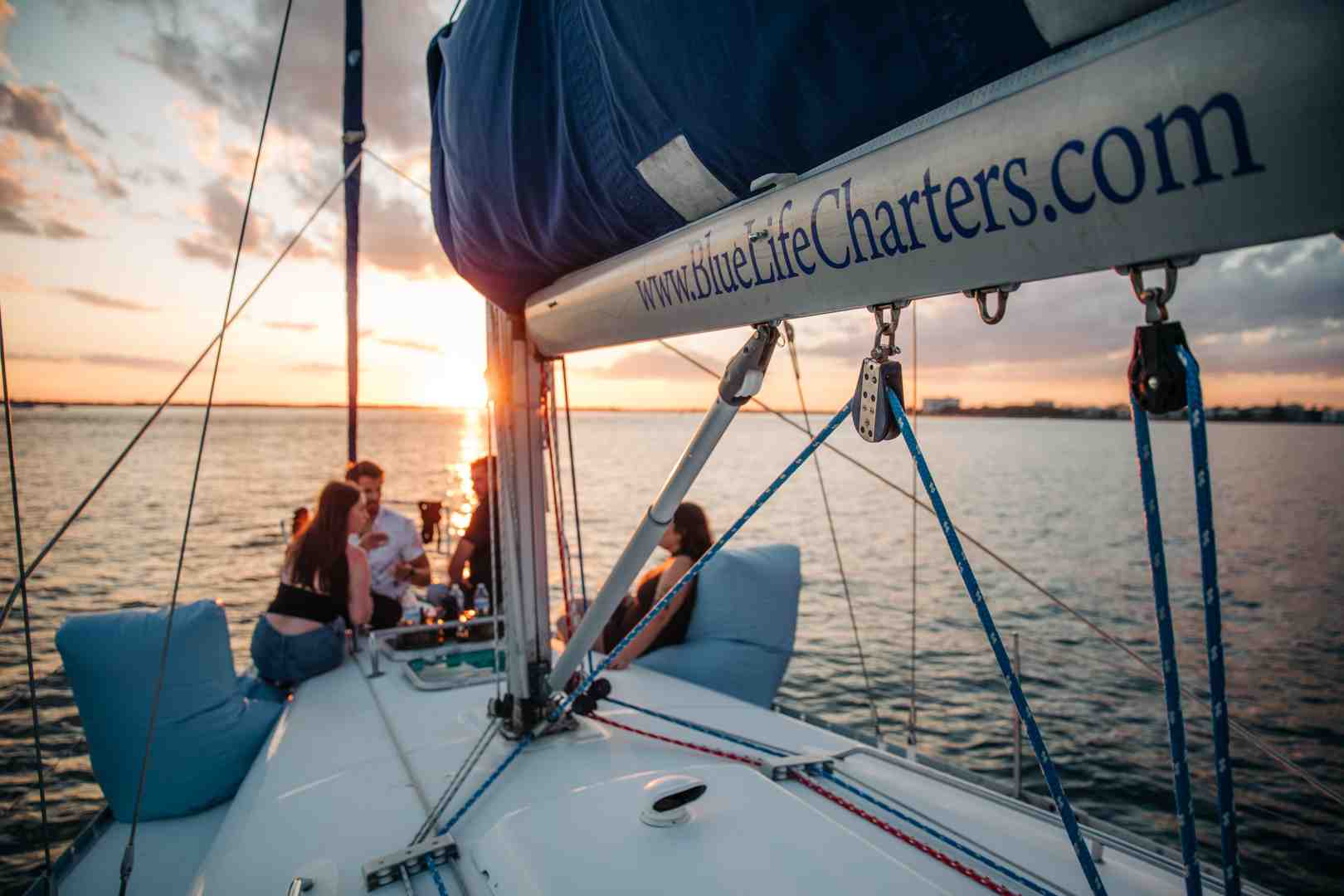
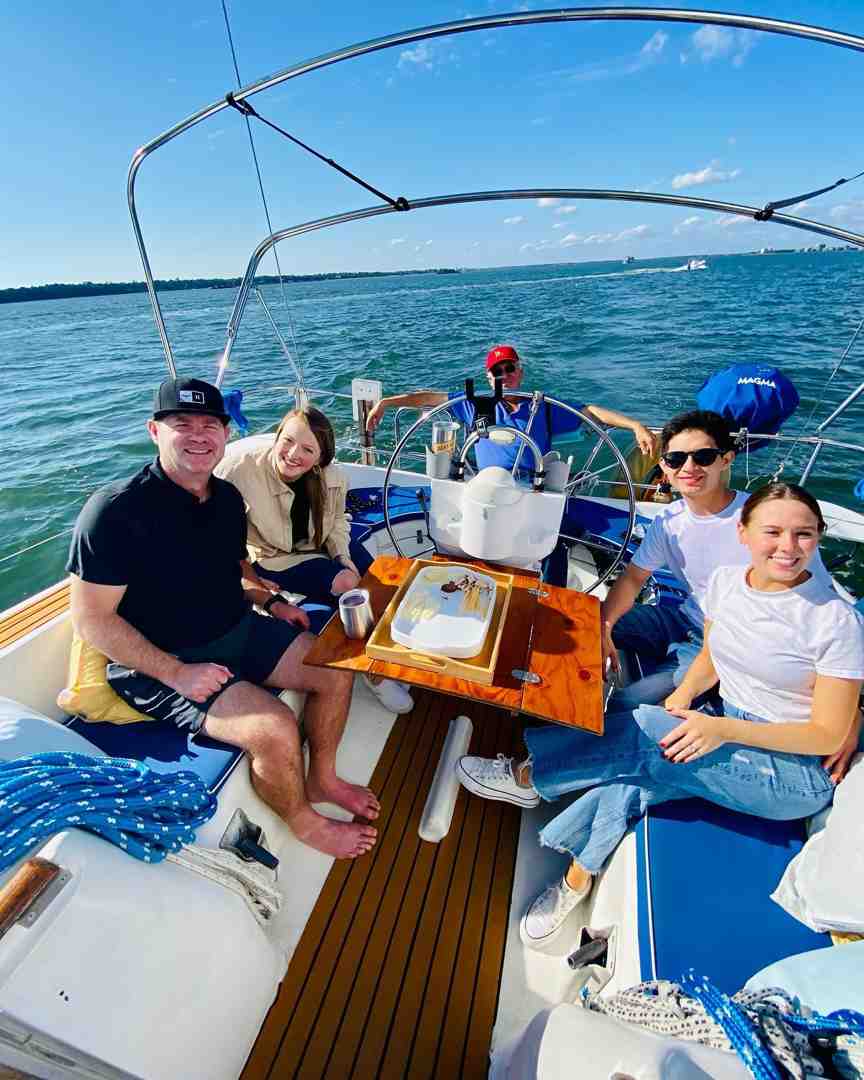
If you’re not quite ready to take full command, consider starting with a skippered charter—where an experienced captain handles the boat while you learn and enjoy the experience. Blue Life Charters offers private sailboat charters in Charleston, SC that provide the perfect environment to build confidence before your bareboat adventure.
This guide walks you through everything you need for a successful first bareboat charter: from assessing your readiness and choosing the right boat, to provisioning, safety, and avoiding common first-timer mistakes.
Understanding Bareboat Charters: Are You Ready?
A bareboat charter is the ultimate sailing adventure where you become the captain of your own destiny. It’s a rental arrangement where you take full responsibility for the boat, typically without a hired captain, crew, or provisions. Instead, you and your chosen crew handle all aspects of sailing, navigation, anchoring, and provisioning. This self-driven approach grants you unparalleled freedom and flexibility to explore new cruising grounds at your own pace, deciding on as many or as few overnight stops and daytime anchorages as you like. We believe there’s no better vacation for those who love sailing, saltwater, and the thrill of a new adventure each day.
However, this independence requires a solid foundation of essential sailing skills. You’ll need to be proficient in:
- Sailing Proficiency: Understanding sail trim, points of sail, and handling the boat under various wind conditions. This includes knowing how to reef the mainsail before setting sail, especially on a boat new to you.
- Navigation: Reading nautical charts, understanding local marine traffic regulations, planning realistic routes, and using electronic navigation tools while still keeping an eye on your surroundings.
- Anchoring and Mooring: Confidently deploying and retrieving an anchor, understanding different types of seabeds, and skillfully picking up mooring balls. A well-set anchor is crucial for a good night’s sleep!
- Docking: Maneuvering the boat safely into and out of marinas, especially in tight spaces. Never be in a hurry when docking – slow and steady wins the race.
- Boat Systems Management: Operating and monitoring the boat’s essential systems, including the engine, fuel, water, and battery power. This also involves understanding how to conserve resources like fresh water and electricity.
If you’re not quite ready to shoulder all these responsibilities, or if you simply prefer to relax and let someone else handle the intricacies of sailing, alternatives exist. A skippered charter, like those we offer at Blue Life Charters in Charleston, SC, provides an expert captain to manage the vessel. This is a fantastic way to learn the ropes, gain confidence, and enjoy the beauty of the water without the stress of being solely in command. It’s an excellent stepping stone for those aspiring to a first time bareboat charter.
What Qualifications Do You Need?
To start on a first time bareboat charter, you’ll need to demonstrate to the charter company that you possess the necessary skills and experience. This typically involves submitting a sailing resume detailing your logged hours and experience on similar-sized vessels. Think of it like a job application, but for fun on the water!
Most reputable charter companies will require formal certifications to ensure your competence. The American Sailing Association (ASA) offers a widely recognized certification pathway:
- ASA 101: Basic Keelboat Sailing: This introductory course covers fundamental sailing terminology, equipment, sailing theory, and safety procedures.
- ASA 103: Basic Coastal Cruising: Building on ASA 101, this course digs into more advanced sailing maneuvers, navigation, and boat handling in coastal waters.
- ASA 104: Bareboat Cruising: This is the gold standard for bareboat chartering. It teaches you about a boat’s systems, advanced sail trim, anchoring, docking, and provisioning, specifically for multi-day cruises. Many charter companies explicitly require this certification or a demonstrable equivalent.
While the International Proficiency Certificate (IPC) is often required for chartering in some international destinations (like the Mediterranean), for a bareboat charter within the United States, particularly in areas like Charleston, SC, and Folly Beach, SC, the ASA certifications and a strong sailing resume are typically sufficient. Always confirm specific requirements with your chosen charter company. They want to ensure you have a safe and enjoyable trip as much as you do!
Planning Your First Time Bareboat Charter Adventure
Planning is arguably as much fun as the trip itself! For your first time bareboat charter, a significant portion of bookings are for durations of 7 to 14 days, offering a perfect balance of immersion and exploration. This timeframe allows us to truly unwind and find. When planning, we’ll need to consider several key elements: selecting our crew, choosing the right charter company, picking the ideal boat, and defining our destination.
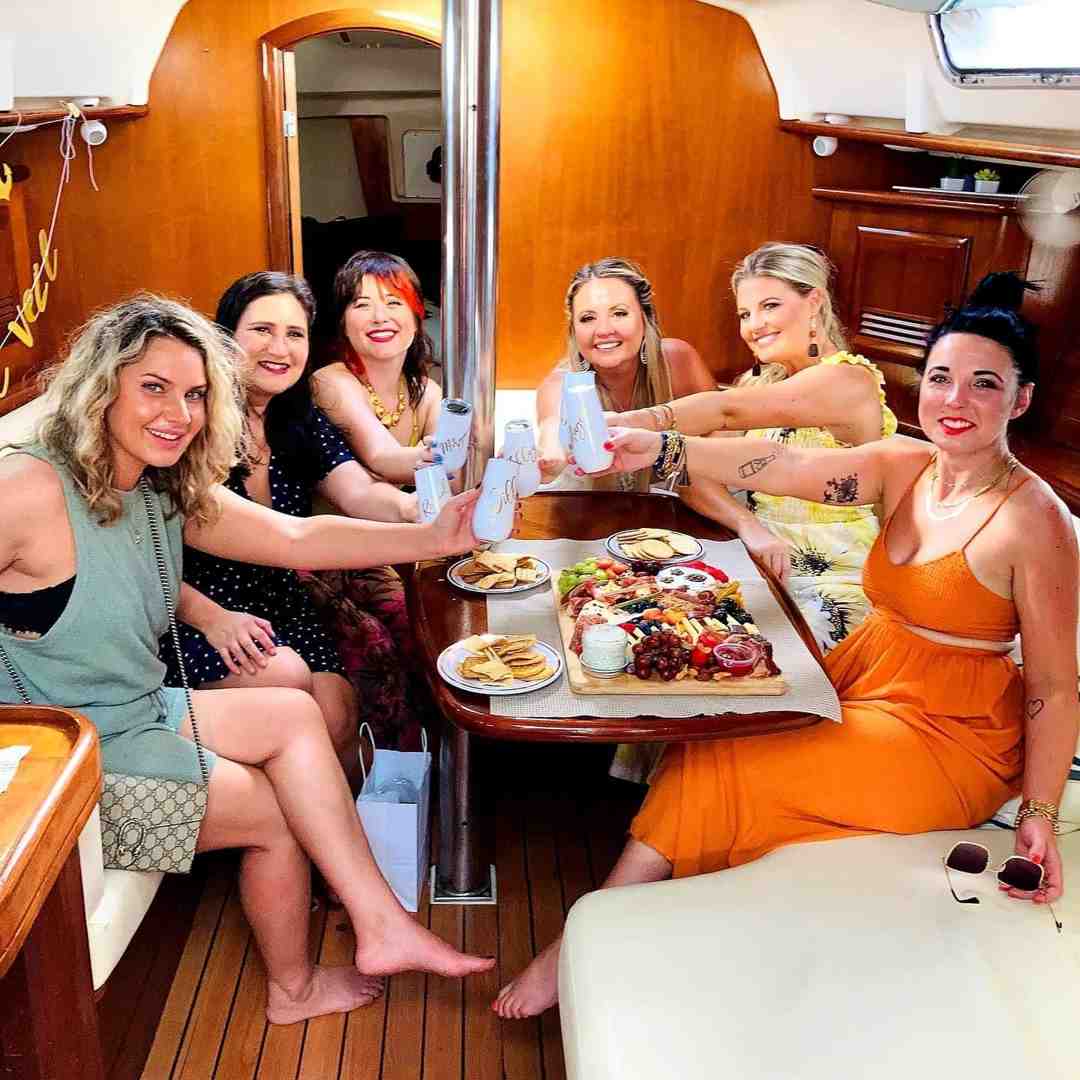
Choosing Your Vessel: Catamaran vs. Monohull
One of the first and most exciting decisions for your first time bareboat charter is choosing between a catamaran and a monohull. Both offer unique experiences, and the “right” choice depends on your group’s preferences, budget, and sailing style.
| Feature | Catamaran | Monohull |
|---|---|---|
| Stability | Very stable, less heeling, reduces seasickness | Heavier heeling, more dynamic sailing experience |
| Space | More spacious, larger saloon above waterline | Generally less interior space |
| Cost | Typically more expensive to charter | Generally more budget-friendly |
| Sailing Performance | Fast off the wind, can feel “flatter” sailing | Sails closer to the wind, thrilling heeling |
| Shallow Water Access | Shallow draft, can access more anchorages | Deeper draft, more limited in shallow areas |
For many first-timers, catamarans are increasingly popular due to their stability, space, and comfort. They offer a more “condominium on the water” feel with spacious decks and cabins, and their twin engines make maneuvering in tight spots a bit easier. Brands like Lagoons, Leopards, and Balis are well-regarded for their catamaran designs.
Monohulls, on the other hand, offer a more traditional and dynamic sailing experience, with the exhilarating sensation of heeling as you cut through the water. While typically less spacious, they can be more budget-friendly.
When making your choice, consider your:
- Group Size: Larger groups often benefit from the extra space a catamaran provides.
- Comfort Level: If stability is a priority, especially for those prone to seasickness, a catamaran is a clear winner.
- Budget: Catamarans are generally more expensive to charter than monohulls of comparable length.
- Boat Age: For a first time bareboat charter, we recommend choosing the newest boat you can afford. Newer yachts often mean fewer maintenance issues, which can be a good “insurance policy” against breakdowns, ensuring a smoother trip.
If you’re leaning towards the stability and comfort of a catamaran, explore our Bareboat Catamaran Charter options.
Selecting a Beginner-Friendly Destination
For your first time bareboat charter, choosing the right destination is paramount. We want calm waters, easy navigation, and established infrastructure to minimize stress and maximize enjoyment. While many popular international destinations are often cited, we believe that right here in the United States, Charleston, SC, and Folly Beach, SC, offer an exceptional and beginner-friendly environment.
Charleston, SC, provides:
- Calm Waters: The protected harbors and intracoastal waterways offer smooth sailing, ideal for building confidence without the challenge of large ocean swells.
- Line-of-Sight Navigation: Much of the cruising area in and around Charleston is easily navigable with clear landmarks, reducing reliance on complex offshore navigation skills.
- Established Infrastructure: You’ll find plenty of marinas, provisioning options, and support services readily available, ensuring help is always close by if needed.
- Mooring Balls and Accessible Anchorages: Charleston offers various convenient mooring options and accessible anchorages, making overnight stays simple and stress-free.
These characteristics mirror what makes popular international destinations so appealing to first-timers, providing a fantastic domestic option for your initial bareboat experience. For more ideas on sailing within the US, check out our guide to the Best Places to Sail in US.
Assembling Your Crew and Choosing a Reputable Company
“Picking your crew members may be the most important decision of your entire trip,” as one expert noted. For your first time bareboat charter, choose companions wisely, as you’ll be spending a week or more in close quarters. Consider:
- Crew Compatibility: Ensure everyone gets along well. A harmonious crew makes for a happy boat.
- Sailing Experience: Ideally, at least one other person on board should have some sailing experience and be able to assist with boat handling.
- Shared Responsibilities: Discuss roles and expectations beforehand. Who will help with docking? Who’s in charge of dinner?
- Budget Alignment: Make sure everyone is on the same page regarding expenses, from charter fees to provisioning and shore excursions.
Choosing a reputable charter company is equally vital. We look for companies that:
- Operate in Your Chosen Cruising Grounds: Ensure they have a base and local expertise in Charleston, SC, or Folly Beach, SC.
- Maintain a Quality Fleet: Inquire about the age and maintenance schedule of their yachts. A well-maintained fleet ensures reliability.
- Offer Transparent Pricing: Understand all costs upfront, including what’s included and what’s extra.
- Have Strong Customer Reviews: Look for feedback from previous charterers to gauge their service quality and support.
Mastering Life at Sea: Itinerary, Provisioning, and Safety
Life at sea on a bareboat charter is a unique blend of adventure and responsibility. With us at the helm, we’ll be planning our daily movements, preparing our meals, and, most importantly, prioritizing safety.
Crafting Your Itinerary
A well-crafted itinerary is key to a successful first time bareboat charter. We want a balance between exploration and relaxation, ensuring we don’t over-schedule ourselves.
- Realistic Sailing Distances: Plan navigable legs and distances that are achievable for your crew and boat, allowing for rest and unexpected delays. Don’t try to cram too much in!
- Balancing Sailing and Relaxation: While sailing is the main event, remember to factor in time for swimming, snorkeling, exploring ashore, or simply relaxing in a beautiful anchorage.
- Researching Anchorages: Identify and research recommended anchorages and mooring areas in Charleston, SC. Familiarize yourself with how mooring balls work – this video provides a good overview. Using mooring balls can significantly reduce stress for your first trip, as you shouldn’t need to anchor overnight in unfamiliar territory.
- Having a Backup Plan: Always have alternative anchorages or marinas in mind in case of unexpected weather changes or if your primary spot is unavailable.
For inspiration on routes and points of interest around Charleston, explore our Sailboat Tours Charleston SC: Top Itineraries.
Provisioning Like a Pro
Provisioning for your first time bareboat charter is where the fun (and sometimes the challenge!) begins. We’ll be our own chefs, so smart planning is essential.
- Meal Planning: Create a detailed meal plan for simple, easy-to-cook meals. Consider preparing some meals ahead of time and freezing them to save effort onboard.
- Onboard Cooking vs. Eating Ashore: Plan to cook most meals on board to save money and enjoy the unique experience, but also factor in a few opportunities to eat ashore and sample local cuisine in Charleston or Folly Beach.
- Provisioning Services: For a first time bareboat charter, using a provisioning service can be a lifesaver. Many charter companies offer this option, where they stock your boat with food and beverages before you even arrive, saving you valuable time and effort. Be sure to inquire about this when booking.
- Shopping Locally: If you prefer to shop yourself, research local grocery stores near the marina in Charleston or Folly Beach.
- Onboard Storage: Check your boat’s galley equipment, fridge/freezer capacity, and dry storage space before shopping.
- Water Conservation: Fresh water is a precious resource on a boat. Be mindful of usage, and if your boat has multiple tanks, switch tanks before one is completely empty to avoid running the pump dry and maintain a small reserve.
Prioritizing Safety and Weather
Safety is non-negotiable on any bareboat charter. Before we even cast off, we’ll receive a comprehensive safety briefing from the charter company. This will cover:
- Safety Equipment: Location and use of life jackets, flares, fire extinguishers, and the first-aid kit. Children’s life jackets are often recommended to bring your own for a proper fit.
- VHF Radio: How to operate the VHF radio for communication and emergencies.
- Emergency Procedures: What to do in case of a fire, man overboard, or other emergencies.
Beyond the briefing, we must take responsibility for daily weather checks. The NWS Marine Forecast is an invaluable resource for coastal areas like Charleston, SC. We’ll need to:
- Understand Wind and Swell: Pay close attention to wind speed and direction, as well as any forecasted swells, as these can significantly impact our itinerary and comfort.
- Monitor Daily: Weather can change rapidly, so checking the forecast multiple times a day is crucial.
- Have a Plan B: Be ready to adjust our plans or seek a protected anchorage if inclement weather is approaching.
For families, involving everyone in safety discussions is important. Read our Guide to Boat Safety for Kids to ensure even the youngest crew members understand essential safety practices.
The Nitty-Gritty: Costs, Check-In, and Common Pitfalls
Starting on a first time bareboat charter involves more than just the rental fee. Understanding all associated costs, the check-in/check-out process, and common mistakes will help us avoid stress and ensure a smooth, enjoyable experience. For general questions, you can always refer to our Private Sailing Cruise FAQs.
Understanding the Costs for your first time bareboat charter
The average cost of a bareboat charter can range significantly, typically from $5,000 to $20,000+ for a week-long trip, depending on the yacht size, type, season, and destination. Beyond the base rental fee, we’ll need to budget for several other items:
- Charter Rental Fee: This is the primary cost, covering the use of the boat for the agreed-upon period.
- Security Deposit: Most charter companies require a refundable security deposit, similar to a car rental. This covers potential damage or loss.
- Damage Waiver Insurance: Often, you’ll have the option to purchase a non-refundable damage waiver. This reduces your liability for accidental damage and can be a wise investment for a first time bareboat charter, offering peace of mind.
- Fuel Costs: You’ll typically pick up the boat with full fuel tanks and return them full. This is a variable cost depending on how much you motor.
- Mooring and Marina Fees: While anchoring is free, mooring balls and marina slips incur daily or nightly fees.
- Provisioning: The cost of all our food and beverages.
- Travel Expenses: Flights, transfers, and any pre/post-charter accommodation.
For a detailed breakdown relevant to our local waters, check out How Much Does It Cost to Charter a Boat in Charleston?.
The Check-In and Check-Out Process
The check-in and check-out procedures are critical steps in your first time bareboat charter.
Check-In: This typically happens in the late afternoon (around 5 pm), meaning your first night is usually spent at the marina, as charter boats are not allowed to operate at night.
- Boat Briefing: The charter company will provide a detailed orientation covering the boat’s systems (engine, electrical, plumbing), safety equipment, and emergency procedures. Ask questions!
- Chart Briefing: They’ll review the cruising area, local regulations, and potential hazards around Charleston, SC.
- Walkthrough Inspection: We’ll carefully inspect the boat, inside and out, documenting any existing damage or defects. This is crucial to protect your security deposit. If something isn’t working, don’t leave the dock until it’s fixed.
Check-Out: This usually occurs in the morning (between 9 am-11 am) on your final day. We often return to the marina the night before or stay in a nearby anchorage.
- Returning the Boat: Ensure the boat is tidy, and all equipment is stowed.
- Refueling: Top off the fuel tanks before returning.
- Final Inspection: The charter company will conduct a final inspection. Any new damage will be assessed against your security deposit or covered by your damage waiver.
Avoiding Common Mistakes on your first time bareboat charter
Even seasoned sailors can make mistakes, but for our first time bareboat charter, we want to be especially vigilant. Here are some common pitfalls to avoid:
- Overpacking: Space is limited on a boat. Pack light, in soft-sided luggage, and prioritize essentials.
- Over-scheduling the Itinerary: Trying to visit too many places in too little time leads to exhaustion, not relaxation. Build in flexibility and downtime.
- Skipping the Boat Briefing: This is your comprehensive guide to your boat. Pay close attention, ask questions, and take notes.
- Neglecting Weather Forecasts: Weather can change quickly. Monitor forecasts daily, even hourly, and be prepared to alter your plans.
- Poor Communication with Crew: Clear communication about roles, expectations, and safety is vital for a happy and efficient crew.
- Underestimating Anchoring Challenges: A poorly set anchor can ruin a night’s sleep or worse. Practice your anchoring technique and don’t hesitate to re-anchor if you’re not confident in your position.
Frequently Asked Questions about Your First Bareboat Charter
Do I absolutely need a sailing certification to charter a bareboat?
Most companies require proof of competence, which can be a formal certification like ASA 104 or a detailed sailing resume showing equivalent experience on similar-sized boats. It’s best to check with the specific charter company you plan to use, as requirements can vary. While some may accept extensive logged experience, a certification often streamlines the approval process.
What is the single most important skill for a first-time bareboat skipper?
While many skills are vital, confident and safe anchoring is crucial. A poorly set anchor can ruin a night’s sleep or worse. Understanding different types of seabeds, how to properly deploy and retrieve an anchor, and knowing when to re-anchor if you’re not completely satisfied with your position is essential for safety and peace of mind.
Is it better to use a provisioning service or shop for ourselves?
For a first time bareboat charter, using a provisioning service can significantly reduce stress. It saves time upon arrival, ensures you have all the essentials, and allows you to start your adventure sooner. However, shopping yourself allows for more personal choice, can sometimes be more budget-friendly if you plan well, and lets you explore local markets. We recommend trying a provisioning service for your initial trip to ease the burden.
Set Sail on Your Adventure
Your first bareboat charter is an achievable dream that open ups unparalleled freedom and adventure. With the right preparation, qualifications, and planning, you can confidently take the helm and create memories that will last a lifetime. For those looking to get their sea legs in a luxurious and supportive environment, exploring a private sailboat charter in Charleston, SC with an expert captain can be a perfect stepping stone. When you’re ready to skipper your own vessel, the world’s most beautiful coastlines await.
Ready to take the helm? Explore your options and start planning today. Start Your Bareboat Charter Journey