
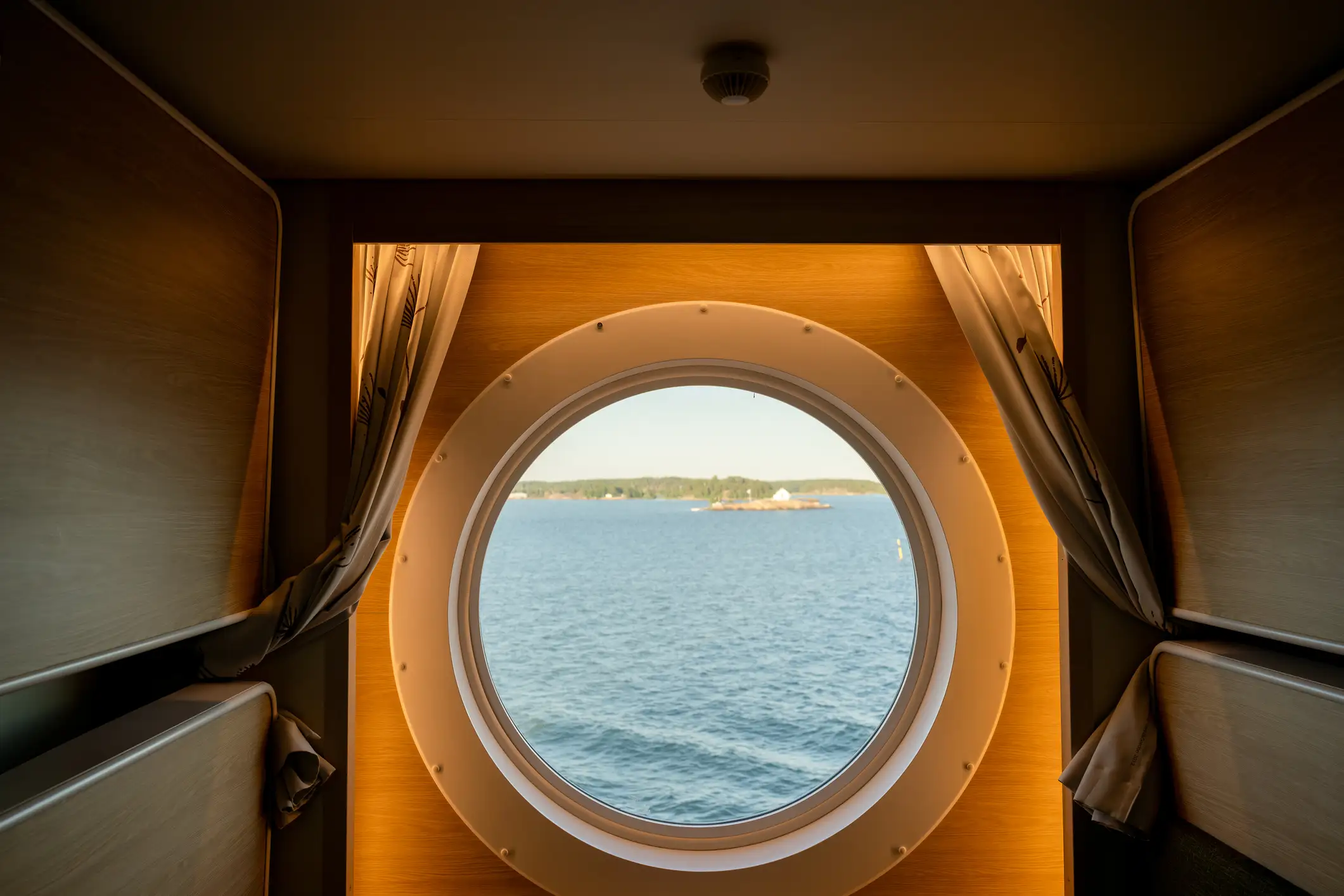
Most guests do not get seasick on a Charleston Harbor charter. The harbor is protected, tidal water — not open ocean — so conditions are typically calm and steady rather than rolling. Guests who are prone to motion sickness can further reduce risk with simple prevention steps (fresh air, watching the horizon, avoiding a heavy meal beforehand, and over-the-counter remedies if needed).
If this is your first time booking a sunset cruise, dinner cruise, or any private charter in Charleston, “will I get seasick?” is one of the most common questions we hear — and a fair one, since it’s usually the real reason someone hesitates to book.
Quick Answer Box
- Charleston Harbor is protected, tidal water — not open ocean swells.
- Most charters stay close to shore, which means calmer, steadier motion than an offshore trip.
- Guests who get carsick or seasick on ferries are the most likely to feel it; casual boaters usually don’t.
- Simple prevention (fresh air, horizon-watching, light meals, ginger or OTC remedies) resolves it for the large majority of guests.
Why is Charleston Harbor calmer than open water?
Charleston Harbor sits at the confluence of the Ashley, Cooper, and Wando Rivers, sheltered by barrier islands before it opens to the Atlantic. That geography is exactly why local sailboat and yacht charters feel more like a gentle glide than a rough ride — the harbor breaks up ocean swell well before it reaches the water most tours actually sail on.
Who is actually at risk of seasickness?
Motion sickness is caused by a mismatch between what your inner ear feels and what your eyes see. People who get carsick reading in the backseat, or queasy on ferries and cruise ships, are the most likely group to feel something on any boat, including a calm harbor sail. If that’s you, it doesn’t mean skip the trip — it means take five minutes of prevention beforehand.
What can you do to prevent it?
- Get fresh air and stay on deck rather than below in a cabin.
- Watch the horizon, not your phone screen or a book.
- Eat something light beforehand — not empty-stomach, not a heavy meal either.
- Consider an over-the-counter remedy (like ginger chews, Dramamine, or Bonine) 30–60 minutes before boarding if you’re prone to motion sickness.
- Sit toward the center of the boat, where you’ll feel the least side-to-side movement.
Is it worse on a sailboat than a powerboat/yacht?
Not meaningfully, on protected harbor water. Sailboats heel (lean) slightly with the wind, which feels different from a flat powerboat ride, but it isn’t the kind of rolling motion that typically triggers seasickness. Guests more often describe it as relaxing than unsettling — which lines up with what we hear back after most sunset and dinner cruises.
Does weather make it worse?
Rougher weather is the bigger factor than boat type. If wind or chop picks up, it’s handled the same way any other weather concern is — see our guide on what happens if it rains or weather turns during a Charleston boat tour for how that’s managed.
First-timer etiquette and comfort tips
Beyond seasickness specifically, first-time charter guests often have general “what do I need to know” questions — what to wear, what to bring, how to act around the crew. Our charter etiquette guide covers the rest of that ground.
Bottom line
For the overwhelming majority of guests, a Charleston Harbor charter is a smooth, easy ride — not a rough one. If you’re prone to motion sickness elsewhere, take the prevention steps above and mention it when you book your charter so your captain can plan accordingly.
FAQ
A question we hear from guests like Franklin S.: “I get carsick easily — am I going to be miserable on a sunset sail?” Probably not. Charleston Harbor is calm, protected water, which is very different from the open-ocean or twisty-road motion that usually triggers carsickness. Taking an OTC remedy beforehand and sitting on deck facing the horizon covers the rest.
Do most people get seasick on a Charleston Harbor cruise? No. Most guests do not experience seasickness on a Charleston Harbor charter because the harbor is sheltered, tidal water rather than open ocean.
What should I do if I’m prone to motion sickness? Get fresh air on deck, watch the horizon instead of a screen, eat something light beforehand, and consider ginger chews or an OTC remedy like Dramamine or Bonine about 30–60 minutes before boarding.
Is a sailboat more likely to make you seasick than a powerboat? Not meaningfully on protected harbor water. A sailboat’s slight heel feels different from a flat powerboat ride, but it doesn’t typically trigger seasickness the way ocean swell does.
Does rough weather increase the chance of seasickness? Yes, weather is the bigger factor — wind and chop can make any boat feel less steady, which is part of why weather-based rescheduling policies exist for Charleston tours.



Leave A Comment
You must be logged in to post a comment.