
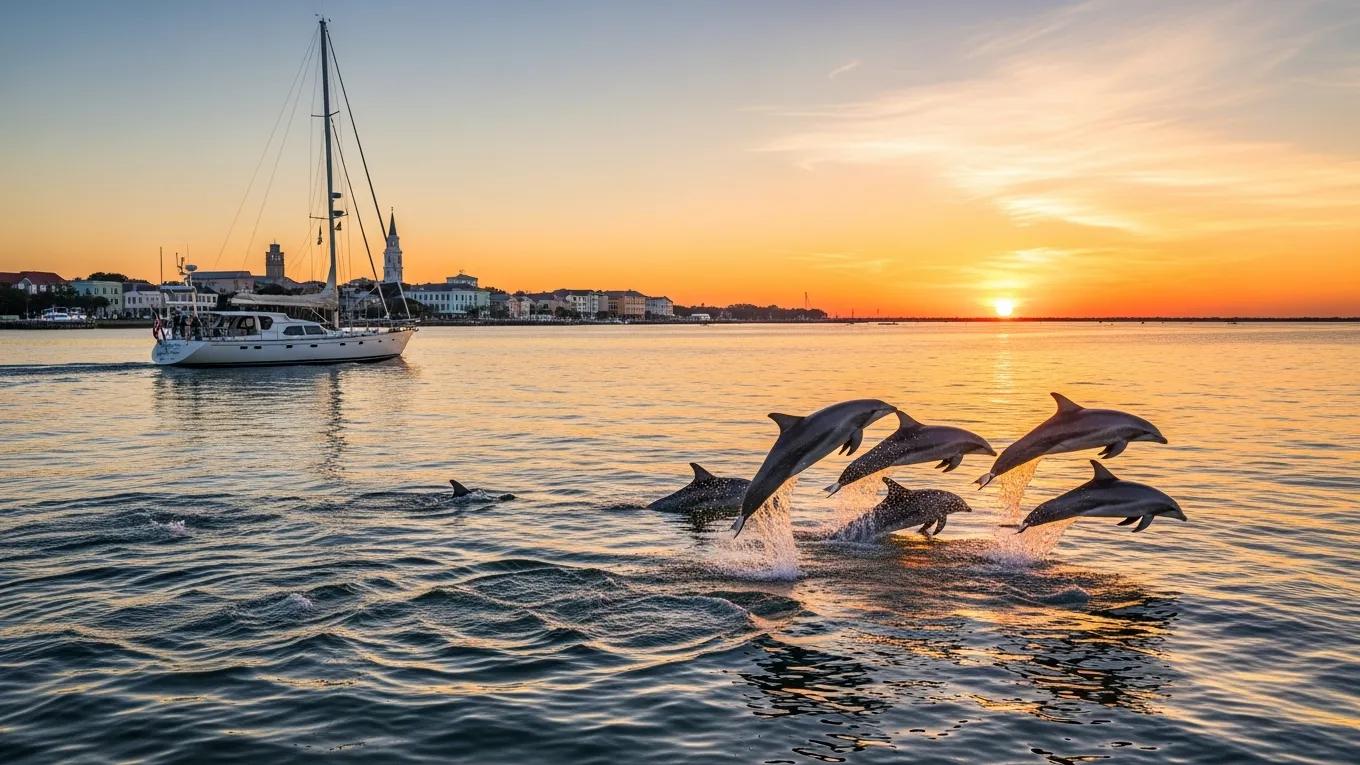
Dolphin Watching in Charleston Harbor: Your Guide to Private Sailing Charters and Wildlife Tours
By Wit Morris, Blue Life Charters
Dolphin watching in Charleston Harbor offers a unique opportunity to connect with nature while enjoying the stunning coastal scenery. This guide will provide you with essential information on how to spot dolphins and other wildlife during a private sailing charter. Many visitors seek memorable experiences that combine relaxation with adventure, and a private charter allows for a personalized journey tailored to your interests. In this article, we will explore the best times for viewing dolphins, tips for maximizing your sightings, what to bring on your trip, and the charter services available. Additionally, we will discuss the diverse wildlife you can encounter beyond dolphins, ensuring a comprehensive understanding of what to expect during your adventure.
Dolphin Watching in Charleston Harbor: A Comprehensive Guide
Dolphin watching in Charleston Harbor is a captivating experience that allows visitors to observe Atlantic bottlenose dolphins in their natural habitat. These intelligent creatures are known for their playful behavior and can often be seen swimming alongside boats. Private sailing charters enhance this experience by providing a more intimate setting, allowing for closer encounters and personalized attention from knowledgeable guides. The harbor’s rich marine ecosystem supports not only dolphins but also a variety of other wildlife, making it an ideal location for nature enthusiasts.
Overview
Charleston Harbor is a vibrant ecosystem teeming with marine life, making it a prime location for dolphin watching. The harbor’s warm waters attract dolphins year-round, and their behavior can be observed from the comfort of a private sailing yacht. Visitors can expect to see dolphins breaching, playing, and swimming in pods, providing a thrilling spectacle. The experience is further enriched by the scenic views of the Charleston coastline, historic landmarks, and the chance to learn about the local marine environment from experienced captains.
Best Times for Viewing
The best times for dolphin sightings in Charleston Harbor are typically during the early morning and late afternoon. During these hours, dolphins are more active, and the water is often calmer, providing better visibility. Seasonal patterns also play a role in dolphin activity; summer months tend to see higher dolphin populations as they come closer to shore. Weekday tours are recommended to avoid larger crowds, allowing for a more serene experience.
Tips for Spotting Dolphins
To maximize your chances of spotting dolphins during your charter, consider the following tips:
- Stay Alert: Keep an eye on the water for any signs of dolphin activity, such as splashes or dorsal fins.
- Positioning: Choose a spot on the boat that offers a clear view of the water, preferably towards the front or sides.
- Photography: Bring a camera with a zoom lens to capture the dolphins without disturbing them.
These strategies can enhance your experience and ensure you make the most of your dolphin watching adventure.
What to Bring
When preparing for your dolphin watching tour, it’s essential to pack the right items to ensure a comfortable and enjoyable experience. Here are some recommendations:
- Sunscreen and Sunglasses: Protect yourself from the sun’s rays while enjoying the open water.
- Camera and Binoculars: Capture memories and get a closer look at the dolphins and other wildlife.
- Food and Drinks: Bring snacks and beverages to enjoy during your charter, as some tours may not provide refreshments.
Having these essentials will help you stay comfortable and focused on the wildlife around you.
Charter Services
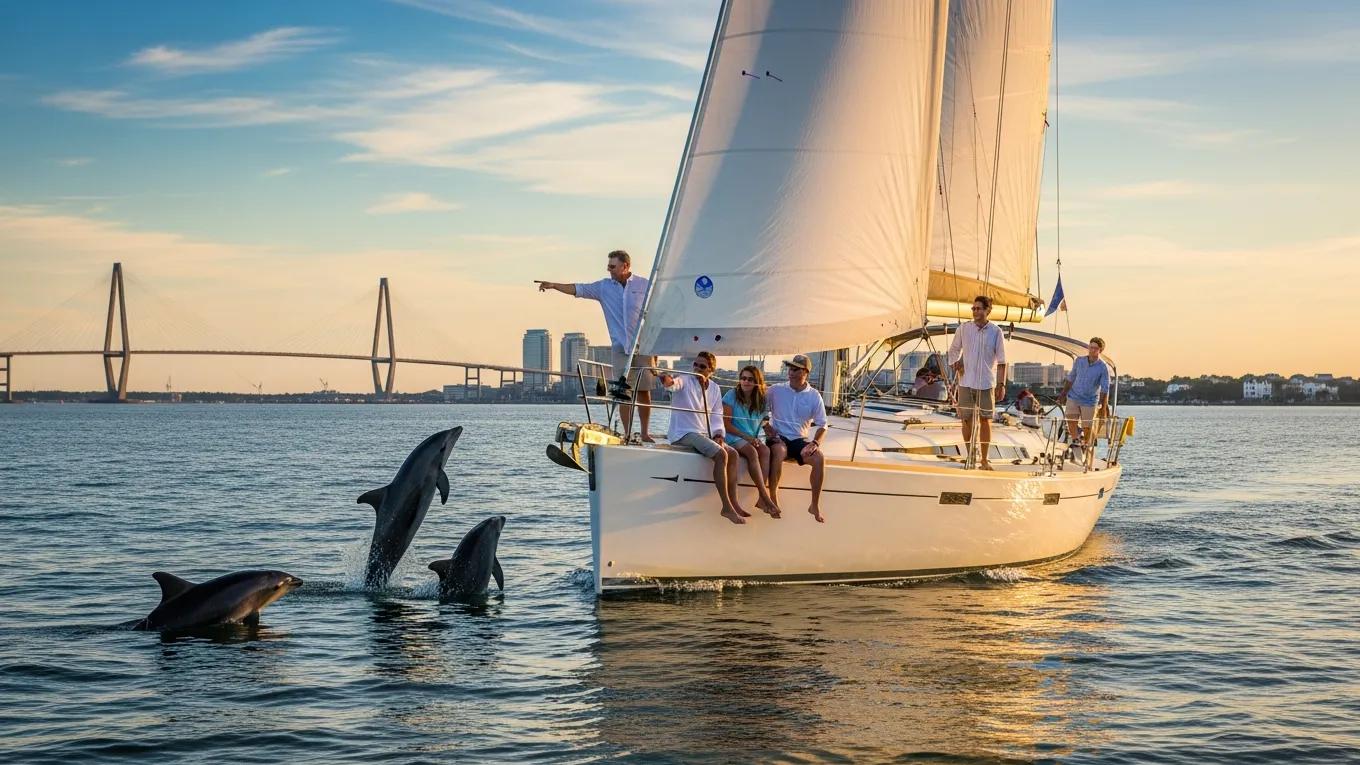
Blue Life Charters offers exceptional private sailing experiences tailored to your dolphin watching needs. With a focus on personalized service, their knowledgeable captains guide you through the harbor, sharing insights about the local marine life and ensuring a memorable adventure. Customization options allow you to choose the duration of your trip and any specific interests you may have, such as photography or wildlife education. This luxury experience is designed to provide you with the best possible chance of encountering dolphins and other wildlife.
Wildlife Beyond Dolphins
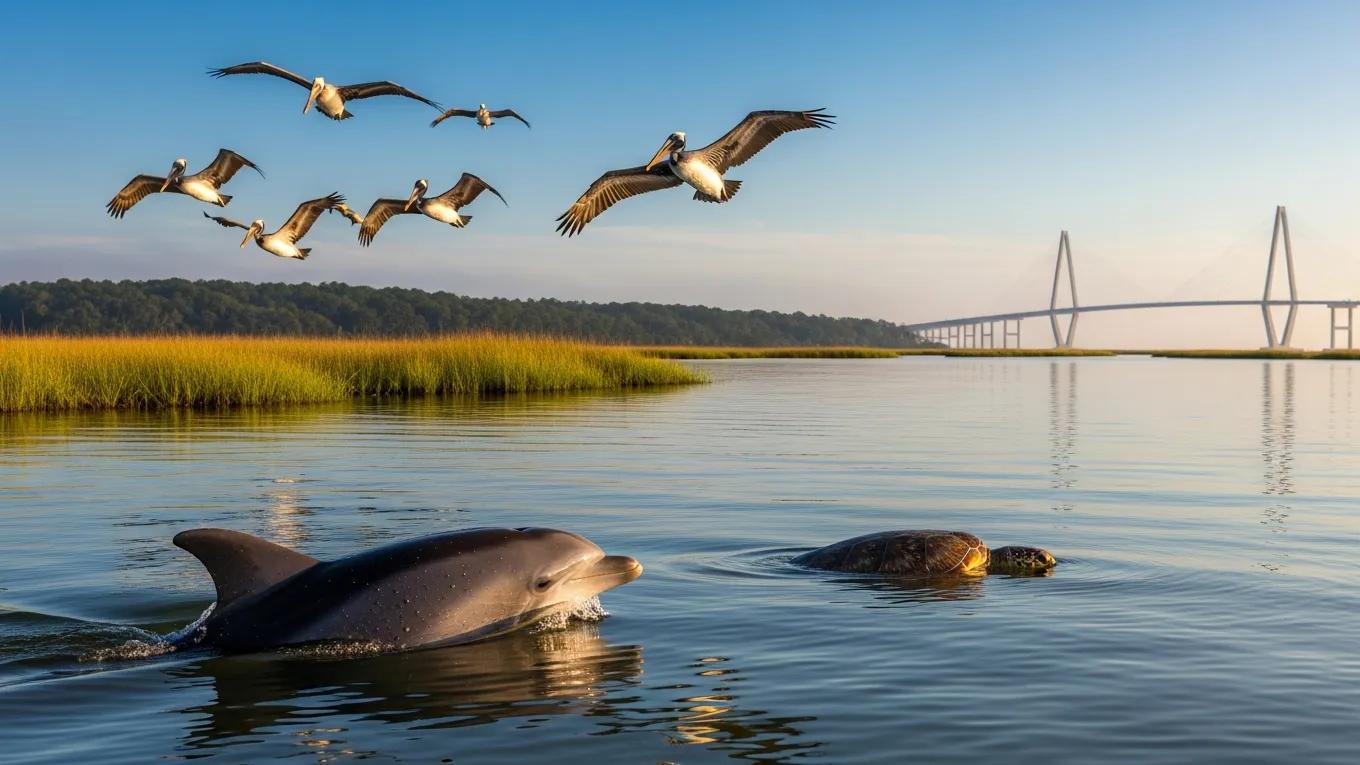
While dolphins are the main attraction, Charleston Harbor is home to a diverse array of wildlife. During your tour, you may also encounter various bird species, such as pelicans and herons, as well as other marine life like sea turtles and rays. The scenic views of the harbor, combined with the opportunity to observe these creatures in their natural habitat, make for an unforgettable experience.
What Are the Benefits of Private Sailing Charters for Dolphin Watching in Charleston Harbor?
Private sailing charters offer numerous benefits for those looking to enhance their dolphin watching experience. These include:
- Personalized Attention: With a smaller group size, you receive more focused guidance from your captain.
- Flexible Itineraries: Customize your trip based on your interests, whether it’s dolphin watching, bird watching, or simply enjoying the scenery.
- Comfort and Privacy: Enjoy the luxury of a private yacht, allowing for a more intimate and relaxing experience on the water.
These advantages make private charters an excellent choice for anyone looking to make the most of their time in Charleston Harbor.
How Do Private Charters Enhance Wildlife Spotting Experiences?
Private charters significantly enhance wildlife spotting experiences by providing a tailored approach to each trip. Captains can adjust routes based on recent dolphin activity and other wildlife sightings, increasing the likelihood of encounters. Additionally, the smaller group size allows for quieter observation, minimizing disturbances to the animals. This personalized experience fosters a deeper connection with nature, making your time on the water even more rewarding.
What Makes Charleston Harbor Ideal for Exclusive Dolphin Tours?
Charleston Harbor’s unique geographical features and rich marine ecosystem make it an ideal location for exclusive dolphin tours. The warm, shallow waters provide a perfect habitat for dolphins, while the diverse range of marine life supports a thriving ecosystem. The harbor’s scenic beauty, combined with its historical significance, adds to the allure of private sailing charters. Visitors can enjoy breathtaking views of the coastline and historic landmarks while engaging with the local wildlife.
Which Dolphin Species and Wildlife Can You Expect to See in Charleston Harbor?
The primary species of dolphin you can expect to see in Charleston Harbor is the Atlantic bottlenose dolphin. Known for their playful nature and intelligence, these dolphins are often seen swimming in pods. In addition to dolphins, the harbor is home to various other wildlife, including:
- Sea Turtles: Often spotted basking in the sun or swimming near the surface.
- Bird Species: Such as ospreys, egrets, and gulls, which can be seen hunting or nesting along the shore.
- Rays and Sharks: Occasionally, you may encounter these fascinating creatures gliding through the water.
This diverse wildlife makes every trip a unique adventure.
What Are the Characteristics of Bottlenose Dolphins in Charleston Waters?
Bottlenose dolphins in Charleston waters are known for their distinctive gray coloration and playful behavior. They are highly social animals, often seen swimming in groups, which can range from a few individuals to over a hundred. These dolphins are also known for their acrobatic displays, including breaching and tail slapping, which can be a thrilling sight for onlookers. Their intelligence and curiosity often lead them to approach boats, providing an unforgettable experience for those on board.
What Other Wildlife Species Are Commonly Spotted on Charleston Wildlife Tours?
In addition to dolphins, Charleston wildlife tours often feature a variety of other species. Commonly spotted wildlife includes:
- Pelicans: Known for their impressive diving skills, pelicans can often be seen fishing in the harbor.
- Herons and Egrets: These elegant birds are frequently observed wading in the shallow waters, hunting for fish and crustaceans.
- Manatees: Occasionally, these gentle giants can be spotted grazing on seagrass in the warmer months.
The rich biodiversity of Charleston Harbor ensures that every tour is filled with opportunities for wildlife observation.
When Is the Best Time for Dolphin Watching and Wildlife Tours in Charleston Harbor?
The best time for dolphin watching and wildlife tours in Charleston Harbor is during the warmer months, particularly from late spring to early fall. During this period, dolphin activity is at its peak, and the chances of sightings are significantly higher. Additionally, the pleasant weather makes for a more enjoyable experience on the water. Morning and late afternoon tours are particularly recommended, as these times often coincide with increased dolphin activity.
How Do Seasonal Patterns Affect Dolphin Activity in Charleston Harbor?
Seasonal patterns play a crucial role in dolphin activity in Charleston Harbor. During the warmer months, dolphins are more likely to be found closer to shore, as they follow schools of fish and other prey. In contrast, during the colder months, dolphins may migrate to deeper waters in search of food. Understanding these patterns can help visitors plan their trips for optimal dolphin sightings and enhance their overall experience.
What Are Optimal Times of Day for Private Sailing Charters?
The optimal times of day for private sailing charters in Charleston Harbor are typically early morning and late afternoon. These times not only provide the best chances for dolphin sightings but also offer stunning views of the sunrise and sunset over the water. The calmer conditions during these hours make for a more pleasant sailing experience, allowing guests to fully enjoy the beauty of the harbor.
How Do You Book a Private Dolphin Watching Sailing Charter in Charleston Harbor?
Booking a private dolphin watching sailing charter in Charleston Harbor is a straightforward process. Interested individuals can visit the website of Blue Life Charters to explore available options and customize their experience. It is advisable to book in advance, especially during peak tourist seasons, to secure your preferred date and time. The booking process typically involves selecting your desired charter length, any specific interests, and any additional services you may require.
What Should You Know About Pricing, Availability, and Customization Options?
Pricing for private dolphin watching charters can vary based on the duration of the trip and the specific services offered. Blue Life Charters provides a range of options to accommodate different budgets and preferences. Customization options may include special requests for onboard amenities, such as catering or specific routes to enhance wildlife viewing. It is recommended to inquire about availability and pricing directly through their website to ensure you receive the most accurate information.
What Eco-Friendly Practices Does Blue Life Charters Implement on Charleston Wildlife Tours?
Blue Life Charters is committed to promoting eco-friendly practices during their wildlife tours. This includes adhering to responsible wildlife viewing guidelines, minimizing environmental impact, and educating guests about marine conservation. By prioritizing sustainability, they ensure that the natural beauty of Charleston Harbor is preserved for future generations to enjoy.
How Does Sustainable Tourism Benefit Charleston Harbor’s Marine Environment?
Sustainable tourism plays a vital role in protecting Charleston Harbor’s marine environment. By promoting responsible practices, tour operators help to minimize disturbances to wildlife and their habitats. Additionally, sustainable tourism initiatives often support local conservation efforts, ensuring that the delicate balance of the ecosystem is maintained. This approach not only benefits the environment but also enhances the overall experience for visitors, allowing them to connect with nature in a meaningful way.
What Measures Ensure Responsible Dolphin Watching and Wildlife Conservation?
Responsible dolphin watching and wildlife conservation are ensured through a combination of guidelines and best practices. Tour operators, such as Blue Life Charters, follow strict regulations regarding the distance maintained from dolphins and other wildlife. Educating guests about the importance of respecting marine life and their habitats is also a key component of responsible tourism. By fostering awareness and appreciation for the natural world, these measures contribute to the long-term health of Charleston Harbor’s ecosystem.
Human Impact on Bottlenose Dolphins in Charleston Harbor
ABSTRACT: Caswell, Lea.Montreat College ProQuest Dissertations & Theses, 2019. 22620694.
Human Impact on the Resident Bottlenose Dolphin Population in the Charleston Harbor: The Development of a Unit for the South Carolina Aquarium’s High …, 2019
Further research highlights the specific foraging strategies employed by bottlenose dolphins within urban estuaries like Charleston Harbor.
Bottlenose Dolphin Foraging Tactics in Urban Estuaries
There are numerous examples of unique foraging tactics among cetaceans throughout the world (Sargeant et al., 2005). Many studies have focused on the behavioral plasticity of common bottlenose dolphins (Tursiops truncatus) regarding their flexibility in foraging techniques that can be specific to populations or environments (Sargeant & Mann, 2009;Sargeant et al., 2005;Shane et al., 1986;Würsig, 1986). Foraging tactics of dolphins are highly influenced by habitat, type of prey, and their ability to utilize specific environmental features and opportunities.
An adaptive bottlenose dolphin foraging tactic,“shipside feeding,” using container ships in an urban estuarine environment, 2021



Leave A Comment
You must be logged in to post a comment.