Understanding the Full Scope of Luxury Yacht Ownership
Private luxury yacht price encompasses far more than just the initial purchase cost. Understanding the complete financial picture is essential for anyone considering yacht ownership or even exploring high-end charter options.
Quick Answer: What Does a Private Luxury Yacht Cost?
| Yacht Type | Size Range | Purchase Price Range (2025) | Annual Operating Costs |
|---|---|---|---|
| Cruising Sailboat | 35-50 ft | $100,000 – $800,000 | 10-15% of yacht value |
| Catamaran | 45-55 ft | $900,000 – $2.5 million | 10-15% of yacht value |
| Motor Yacht | 80-150 ft | $5 million – $50 million | 15-20% of yacht value |
| Superyacht | 100+ ft | $10 million – $100+ million | 15-20% of yacht value |
The dream of owning a private luxury yacht comes with a complex financial reality. While prices start around $100,000 for modest 30-40 foot vessels, they can exceed $100 million for the world’s most prestigious superyachts. But the sticker price is only the beginning.
The true cost of yacht ownership includes:
- Initial purchase price (varies dramatically by size, age, and builder)
- Annual maintenance and repairs
- Crew salaries and management
- Insurance premiums
- Dockage and mooring fees
- Fuel and operational expenses
- Taxes and regulatory fees
- Customization and refit costs
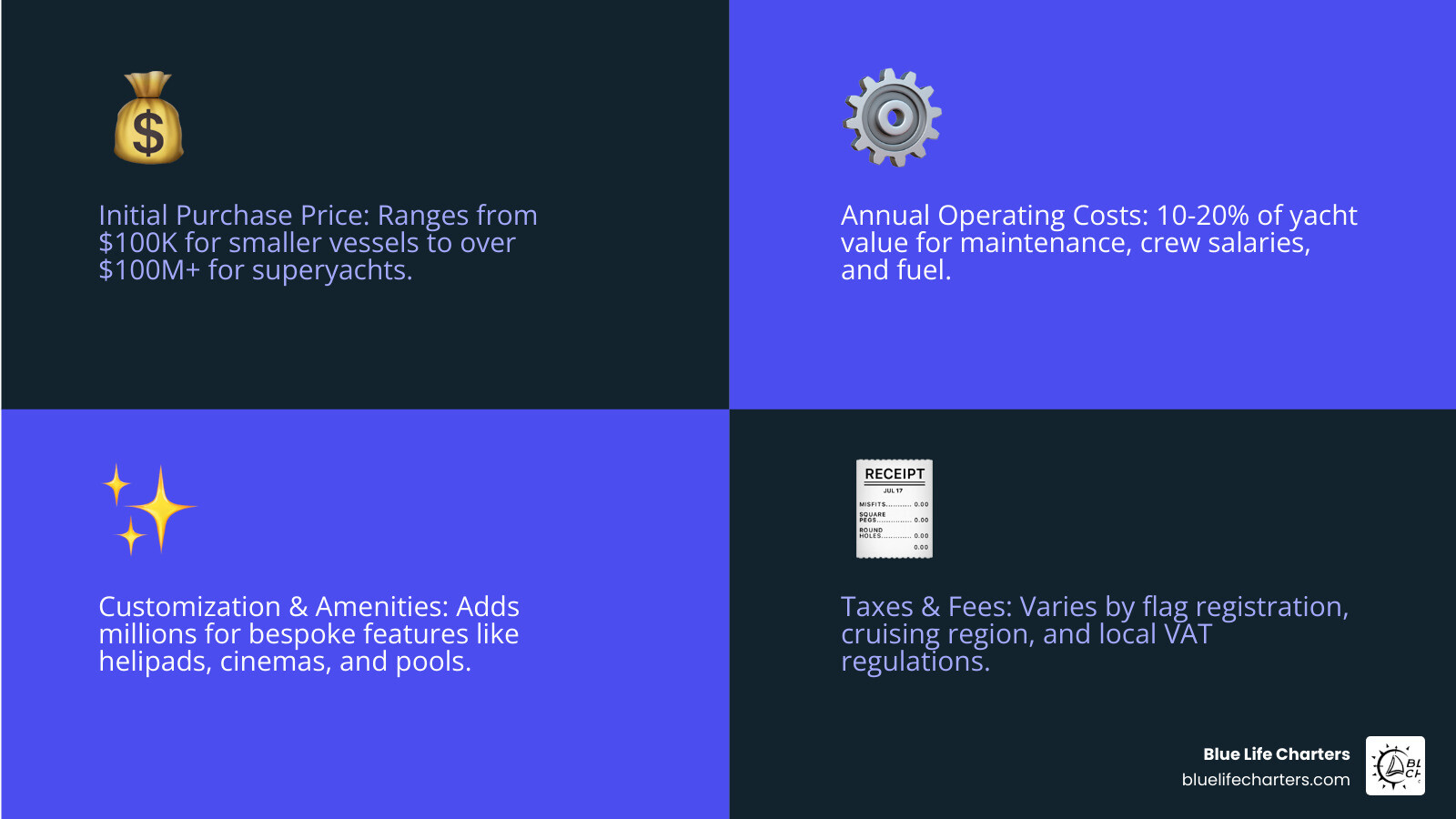
Most yacht owners should budget 10-20% of the yacht’s purchase value per year for operating expenses alone. A $5 million yacht, for example, requires approximately $500,000 to $1 million annually to maintain and operate.
I’m Wit Morris, owner and lead captain of Blue Life Charters, and through years of operating charter yachts in Charleston waters, I’ve gained insight into the true private luxury yacht price considerations that extend far beyond the initial purchase. This comprehensive guide will help you understand every aspect of yacht ownership costs in 2025, from acquisition to long-term operation.
Deconstructing the Private Luxury Yacht Price: Purchase Costs Explained
The allure of a private luxury yacht often begins with a vision: gliding across the Charleston Harbor at sunset, exploring coastal gems, or starting on grand ocean adventures. But before that vision becomes reality, understanding the initial investment is paramount. The upfront private luxury yacht price is a multifaceted figure, influenced by an array of factors that can cause it to swing wildly from hundreds of thousands to hundreds of millions of dollars.
When we talk about the initial purchase, several key elements dictate the price tag. The most obvious are the yacht’s size and type. A compact, efficient catamaran will naturally have a different cost profile than a sprawling superyacht. The age of the vessel plays a significant role, with new builds commanding a premium, while pre-owned yachts offer a different value proposition. The builder’s reputation and the quality of their craftsmanship are also crucial, often correlating directly with higher prices due to superior engineering, materials, and design. Lastly, the array of onboard amenities and the level of customization can transform a standard vessel into a unique, high-value asset.
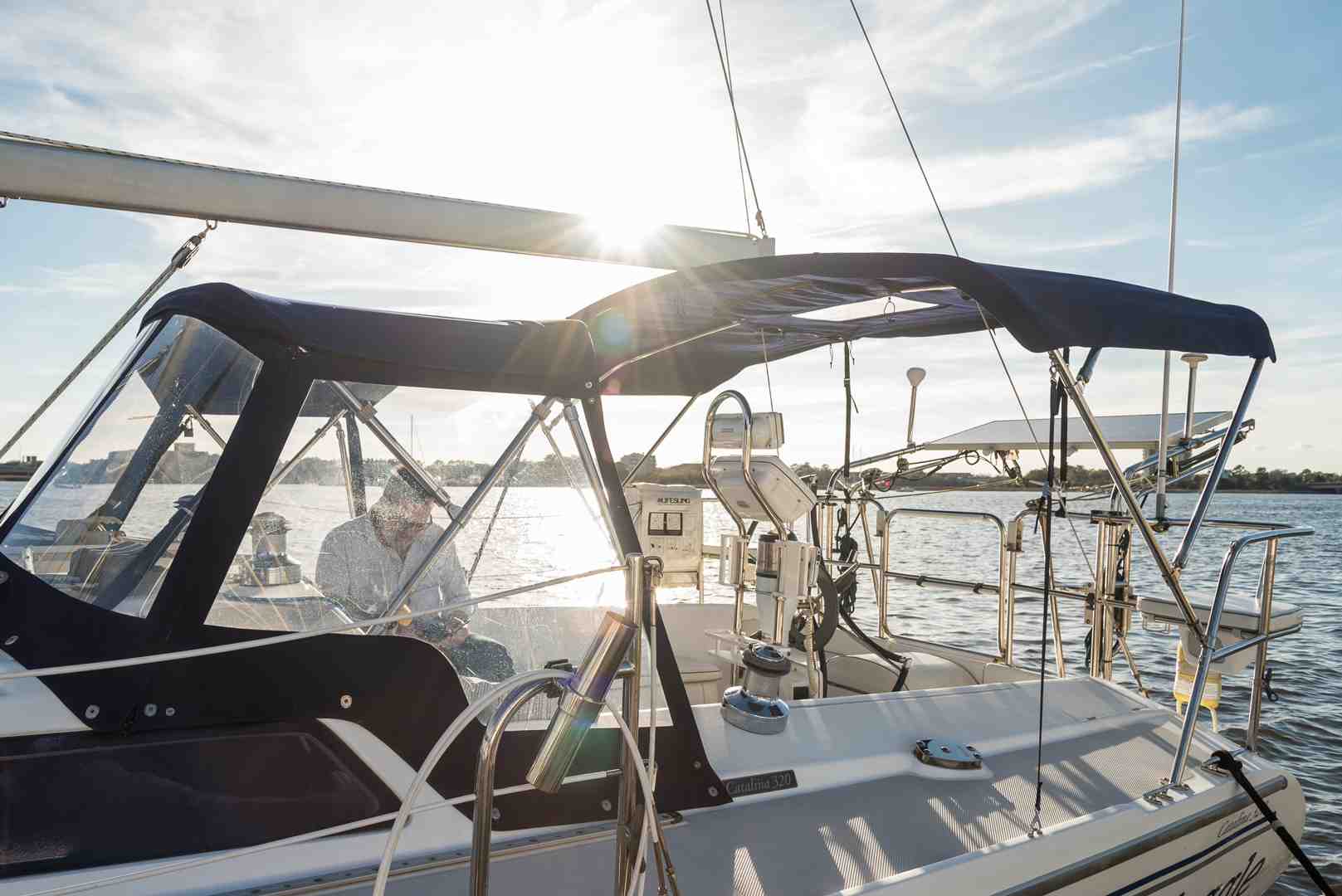
Price Ranges by Yacht Type in 2025
The yachting world offers a diverse fleet, each type catering to different desires and budgets. Here’s a breakdown of what you might expect for the private luxury yacht price across various categories in 2025:
- Cruising Sailboats: Often considered among the more affordable entry points into luxury yachting, cruising sailboats typically range from 35 to 50 feet. Their prices can start around $100,000 and go up to $800,000, depending on the builder, fit-out, and age. These are perfect for those who cherish the quiet grace of wind-powered travel.
- Catamarans: Known for their stability, spaciousness, and shallow draft – ideal for exploring the shallower waters around Folly Beach – new catamarans between 45 and 55 feet from top-tier builders often sell for $900,000 to $2.5 million. The level of customization significantly impacts this range.
- Motor Yachts: This broad category encompasses everything from sleek sport yachts to opulent tri-decks. Prices for larger motor yachts, say from 80 to 150 feet, can range from $5 million to over $50 million. These vessels prioritize speed, comfort, and extensive living spaces.
- Superyachts (Mega Yachts): While definitions can vary, superyachts are generally considered vessels over 100 feet in length, with mega yachts often exceeding 200 feet. The market for these giants is vast, with prices starting around $10 million and easily soaring past $100 million for the most advanced and luxurious models. For instance, we’ve seen mega yachts listed from $201,211 on the more moderate end up to an astonishing $111,759,776 for the biggest, most advanced vessels.
- Explorer Yachts: Designed for rugged, long-range cruising, these vessels are built with redundancy systems and robust steel or aluminum hulls. Their prices can range from $5 million to upwards of $50 million, reflecting their capability to steer remote and challenging waters.
To give you a clearer picture, here’s a comparative table:
| Yacht Type | Typical Length | Average Price Range (New/Used, 2025) |
|---|---|---|
| Cruising Sailboat | 35-50 ft | $100,000 – $800,000 |
| Catamaran | 45-55 ft | $900,000 – $2.5 million |
| Motor Yacht | 80-150 ft | $5 million – $50 million |
| Superyacht | 100+ ft | $10 million – $100+ million |
| Explorer Yacht | 80-200+ ft | $5 million – $50 million |
New vs. Used: Comparing the Private Luxury Yacht Price Tag
When evaluating the private luxury yacht price, one of the most significant decisions is whether to opt for a new or pre-owned vessel. Both paths have distinct financial implications and advantages.
A new yacht offers the thrill of customization, the latest technology, and a full manufacturer’s warranty. You get to choose every detail, from the layout to the finishes, ensuring the yacht perfectly aligns with your vision. However, like a new car, a new yacht begins to depreciate the moment it leaves the shipyard. The average superyacht, for example, can take 3-4 years to design, engineer, and build, meaning a significant wait time before you can even step aboard.
Pre-owned yachts, on the other hand, often present a more accessible entry point into luxury ownership. The initial depreciation has already occurred, potentially offering better value. They can also provide immediate availability, meaning you could be cruising the waters of Charleston sooner. However, buying used requires meticulous due diligence. A surveyor’s report is absolutely essential to assess the vessel’s condition and uncover any potential hidden costs. A well-maintained 10-year-old yacht can be a far better investment than a neglected five-year-old model. We always recommend getting a free boat history report and coordinating with quality surveyors and mechanics for thorough inspections, and performing yacht lien searches to ensure clear ownership.
Consider the Feadship Lady Marina, a 64-meter motor yacht launched in 1999. Despite her age, her “unmistakable Feadship pedigree” and meticulous maintenance (including refit works completed as recently as 2024) have kept her value high. Lady Marina was listed for sale for the first time since her original launch, asking €39,950,000 (VAT paid). This exemplifies how a well-built and maintained classic can retain significant value, even decades after its construction. So, while the initial private luxury yacht price for a used vessel might be lower, it’s crucial to factor in potential refit costs to bring it up to your desired standards or modern regulations.
How Onboard Amenities and Customization Drive Up the Cost
The definition of “luxury” in a yacht is often found in its amenities and the level of customization. These features significantly contribute to the overall private luxury yacht price. What starts as a base model can quickly escalate into a multi-million-dollar masterpiece once bespoke elements are introduced.
Think beyond just lavish interiors. Modern luxury yachts are equipped with an astonishing array of features:
- Helipads: For seamless arrivals and departures, allowing owners to bypass congested marinas.
- Swimming Pools and Hot Tubs: From large deck pools to ingenious float-in tender garages that convert into saltwater pools, these add immense leisure value.
- Cinemas: Private screening rooms with state-of-the-art audiovisual systems for an immersive entertainment experience.
- Submarine Garages: For the ultimate in underwater exploration.
- Bespoke Interiors: Custom-designed layouts, rare materials, handcrafted finishes, and personalized decor can easily add millions to the cost.
- Advanced Navigation and Communication Systems: Ensuring safety, efficiency, and connectivity anywhere in the world.
- Gyms and Spas: Fully equipped fitness centers, saunas, steam rooms, and massage areas for onboard wellness.
Take the 100.8-meter Kusch Yachts superyacht I Dynasty, listed for sale at a staggering €240,000,000. She’s considered one of the most complex yachts ever built, certified to carry up to 36 guests, and boasts “a wealth of treasures” in her Massari Design interiors. Her float-in tender garage, which doubles as a saltwater pool, and diesel-electric propulsion system are prime examples of features that push the price into the ultra-luxury bracket.
While a hot tub or onboard cinema might lift a yacht’s appeal for charter guests, it’s worth noting that not all features add equal value for resale. Practical upgrades like newer generators, extended-range fuel tanks, or upgraded navigation systems often provide a better return on investment compared to highly personalized luxury features. When considering customization, we always advise mapping out expenses in advance with experienced brokers and service providers to balance your personal desires with potential future resale value.
Beyond the Sticker Price: The True Annual Cost of Yacht Ownership
The initial private luxury yacht price is just the entry fee to an exclusive club. The real commitment, and often the biggest surprise for new owners, lies in the ongoing annual operating expenses. We often tell our clients that owning a yacht is an ongoing financial commitment that can comfortably amount to 10-20% of the yacht’s value per year. So, a $10 million superyacht could cost between $1 million and $2 million annually just to keep it running and in pristine condition. Budgeting for the long term is crucial to ensure your dream doesn’t become a financial nightmare.

Essential Operating Costs
These are the fundamental expenses that every yacht owner will face, regardless of the vessel’s size or type:
- Maintenance and Repairs: Yachts are complex machines operating in a harsh marine environment. Regular maintenance, from engine servicing to hull cleaning, is non-negotiable. Unexpected repairs can also be substantial. For instance, a superyacht like the I Dynasty recently completed its Lloyds 10-year Special Survey, a process that involves extensive inspections and potential overhauls, signaling a significant financial undertaking. We provide referrals for yacht maintenance, including expert cleaning services, meticulous upkeep, and reliable transportation, often at competitive prices, for our clients in Charleston.
- Dockage and Mooring Fees: Finding a place to park your floating palace, especially in prime locations like Charleston Harbor, can be costly. Fees vary widely based on yacht size, location, and season. While mega yachts often spend much of their time at anchor due to limited marina availability, that doesn’t eliminate the need for occasional dockage.
- Yacht Insurance: Protecting your investment against accidents, theft, and liability is paramount. Premiums are determined by the yacht’s value, size, cruising region, and the owner’s experience.
- Fuel Consumption: This can be an eye-watering expense, especially for larger motor yachts. A 4,000hp Caterpillar engine, like those powering the Lady Marina, consumes a lot of fuel, and the cost adds up quickly, especially with current fuel prices.
For more insights into managing these ongoing costs, especially if you’re considering chartering your yacht, you can explore our resources on yacht charter management.
The Human Element: Crew Salaries and Management
For anything beyond a modest recreational vessel, a dedicated crew becomes a necessity, and their salaries and management add a substantial layer to the private luxury yacht price. The larger and more complex the yacht, the larger and more specialized the crew required.
A typical crew for a luxury yacht might include:
- Captain: The ultimate authority on board, responsible for navigation, safety, and overall operations.
- Engineers: To maintain the intricate propulsion systems, generators, and technical equipment.
- Deckhands: For exterior maintenance, tender operations, and assisting guests.
- Stewardesses: Providing impeccable interior service, housekeeping, and guest hospitality.
- Chef: Crafting gourmet meals custom to guest preferences.
For a 64-meter Feadship like Lady Marina, seamless service is ensured by a crew of 16, including dedicated cabins for the captain and chief engineer, plus seven twin crew cabins. A superyacht like the I Dynasty, designed to accommodate up to 34 guests, requires an even larger team, with up to 36 crew in 19 cabins. These highly skilled professionals command competitive salaries, and their benefits, training, and uniforms all contribute to the annual operating budget. Beyond salaries, budgeting for crew gratuity is also a common practice, typically 15-20% of a charter rate if you’re pleased with their service. For owners, this translates to a year-round commitment to their dedicated staff. You can learn more about how we value our crew and service in our Yacht Charter Etiquette Guide.
Geographical and Regulatory Expenses
Where your yacht is flagged, where it cruises, and local regulations all contribute to the overall private luxury yacht price and annual costs. These can vary significantly:
- Cruising Permits and Licenses: Depending on your itinerary, you’ll need various permits to operate in different national waters.
- Regional Taxes (VAT): Value Added Tax (VAT) can be a significant cost. While specific rates vary by country and region, for example, in some charter destinations, VAT rates can range from 0% to 22%. While we operate primarily in the US waters of Charleston and Folly Beach, owners who plan to travel internationally must factor in these varying tax implications.
- Flag Registration: The country under which your yacht is registered incurs annual fees and dictates the maritime laws it must adhere to.
- Legal and Administrative Fees: From documentation to compliance with international maritime regulations, these professional services are an ongoing expense.
Navigating these geographical and regulatory expenses requires expert advice, ensuring compliance and avoiding unforeseen costs.
Making a Sound Investment: Market Trends and Buyer Considerations
The market for luxury yachts is a constantly shifting sea, influenced by global economics, technological advancements, and evolving buyer preferences. Understanding these trends is crucial for anyone considering the substantial private luxury yacht price and aiming to make a sound decision. Recent years have seen a post-pandemic surge in demand, global supply chain shifts, and a new wave of tech-savvy, younger buyers interested in sustainability and remote cruising. These dynamics all play a role in current yacht prices and future resale values.
How Brand and Builder Reputation Impacts the Private Luxury Yacht Price
In luxury yachts, pedigree matters. The reputation of the brand and builder significantly impacts both the initial private luxury yacht price and its long-term resale value. Certain names are synonymous with unparalleled quality, innovative design, and meticulous craftsmanship, and buyers are willing to pay a premium for that assurance.
Iconic manufacturers like Feadship, Lürssen, and Benetti from Europe, and Westport in the USA, are renowned for building some of the world’s most exquisite superyachts. British brands like Sunseeker and Princess also hold strong positions in the luxury market. These builders use superior materials, employ advanced engineering techniques, and have a proven track record of delivering exceptional vessels that stand the test of time.
For example, the 64-meter Feadship Lady Marina, despite being launched in 1999, commanded an asking price of €39,950,000 (VAT paid) when listed for sale for the first time. Her “unmistakable Feadship pedigree” is a key factor in retaining such value. Similarly, a Heesen-built superyacht like ASYA, launched in 2015, commands charter rates of €240,000 per week, reflecting the builder’s reputation for quality.
This pedigree helps in value retention. While most yachts depreciate, those from top-tier builders tend to do so more gracefully. Practical upgrades, such as newer generators or advanced navigation systems, further improve resale appeal, often more so than highly personalized luxury features. Advances in technology, particularly sustainable features like hybrid propulsion or solar integration, are also beginning to influence resale values, with buyers increasingly willing to pay a premium for environmentally conscious vessels.
The Role of a Yacht Broker and Making an Offer
Navigating the complex world of yacht sales, especially for high-value luxury vessels, is not a solo endeavor. This is where the invaluable expertise of a yacht broker comes into play. A good broker is far more than just a salesperson; they are a market expert, a negotiator, and a guide through a labyrinth of technical and legal details.
Here’s how a yacht broker assists in determining the private luxury yacht price and securing a fair deal:
- Market Navigation: Brokers possess in-depth market knowledge, providing access to extensive listings, including exclusive and “off-market secrets” – yachts not publicly advertised. They can match your specific criteria with available vessels, saving you immense time and effort.
- Price Negotiations: With their understanding of current market values, a broker can expertly handle price negotiations, ensuring you don’t overpay. They act as your advocate, working to secure the best possible terms.
- Due Diligence: Brokers guide you through critical steps like arranging sea trials and commissioning comprehensive surveys. A surveyor’s report is essential to assess the yacht’s condition and identify any potential hidden costs. We’ve even heard anecdotes of brokers saving clients from potential scams with private sellers, highlighting their critical role in safeguarding your investment.
- Paperwork and Compliance: The purchase of a yacht involves extensive paperwork, including contracts, titles, and registration. Brokers ensure all compliance checks are performed, from yacht lien searches to proper documentation.
Engaging with a dedicated team of brokerage experts is a best practice, ensuring you have the insight and access needed to make an informed decision.
Private Use vs. Charter: A Key Financial Decision
For many aspiring yacht owners, the choice between exclusive private use and making the yacht available for charter is a significant financial decision impacting the overall private luxury yacht price and ownership experience.
Private Use:
Owning a yacht solely for private enjoyment offers unparalleled freedom and privacy. You have full control over your itinerary, maintenance schedule, and onboard experience. However, this also means bearing the full weight of all operating costs, which, as we’ve discussed, can be substantial (10-20% of the yacht’s value annually). For those who use their yacht infrequently, this can feel like a heavy burden.
Chartering Your Yacht:
Making your yacht available for charter can help offset a significant portion of the annual operating expenses. Superyachts like ASYA, a 46.7m Heesen, offer charter rates from €240,000 per week plus expenses. Even smaller luxury yachts can generate substantial income. For example, our own private luxury boat tours and sailing charters in Charleston, SC, allow others to experience the magic of the Lowcountry, contributing to the upkeep and operational costs of our fleet.
However, chartering also comes with considerations:
- Wear and Tear: Increased usage naturally leads to more wear and tear, potentially increasing maintenance costs.
- Availability: You’ll need to coordinate your private use around charter bookings.
- PYC Certification: Larger yachts intended for charter, especially those accommodating more than 12 guests, may require Passenger Yacht Code (PYC) certification, which involves stricter safety and design standards, potentially adding to construction or refit costs. The I Dynasty, for instance, is PYC certified to carry up to 36 guests.
- Tax Implications: Income generated from chartering will have tax implications that need careful management.
The decision to charter or not depends on your desired usage, financial goals, and comfort with sharing your vessel. For those who love the idea of yachting but aren’t ready for full ownership, chartering a luxury yacht is an excellent way to enjoy the experience without the long-term financial commitment. Find more about the costs involved in our Luxury Yacht Charter Cost guide.
Frequently Asked Questions about Private Luxury Yacht Prices
How much does a 100-foot luxury yacht cost?
The private luxury yacht price for a 100-foot vessel can vary dramatically, but generally, for a new model, you’re looking at a range from $10 million to over $25 million. Pre-owned 100-foot yachts can be found for less, sometimes starting around $5 million, depending heavily on the builder, age, condition, and amenities. For example, the average length of mega yachts for sale is 100 feet, with prices ranging from $201,211 for more modest options up to $111,759,776 for the most advanced vessels. A 10-foot increase in length can often double the price due to increased material, higher engineering demands, classification standards, and more complex onboard systems.
Beyond the purchase price, annual operating costs for a 100-foot yacht can range from $1 million to $2.5 million, adhering to the 10-20% rule of its purchase value.
What is the “10% rule” in yachting?
The “10% rule” is a widely cited, albeit generalized, guideline in the yachting world. It suggests that the annual operating cost of a yacht will be approximately 10% of its initial purchase price. This figure covers expenses like maintenance, crew salaries, insurance, dockage, and fuel. However, for newer, larger, or highly customized superyachts, this figure can often be closer to 15-20% of the yacht’s value per year, reflecting increased complexity, larger crews, and more sophisticated systems. It’s a crucial budgeting benchmark for any prospective owner to consider.
Is buying a yacht a good investment?
From a purely financial perspective, buying a yacht is rarely a “good investment” in the traditional sense of appreciating assets. A yacht is primarily a lifestyle investment in experiences, not a financial one. While some well-maintained yachts from prestigious builders, like a Feadship, might hold their value better than others, most vessels, especially new ones, will depreciate over time. The return on investment is measured in unforgettable moments, unparalleled freedom, and the joy of exploring stunning locations like the waters around Charleston and Folly Beach, not monetary gain. As experts in the field often say, the most expensive yacht isn’t always the best yacht—especially if it lacks efficiency, practicality, or resale potential. Owners should focus on balancing their luxury yacht lifestyle vision with broader market trends and potential resale value.
Your Voyage into Luxury Yachting
Understanding the full scope of a private luxury yacht price is the first step toward making an informed decision. From the initial purchase to annual upkeep, the costs are significant but open the door to a world of unparalleled freedom and luxury. Whether you dream of owning a majestic superyacht or a nimble cruising catamaran, being prepared for both the upfront investment and the ongoing operational expenses is key to a truly enjoyable experience.
For those wishing to experience this lifestyle without the commitment of ownership, chartering offers a perfect gateway. At Blue Life Charters, we provide an exceptional opportunity to explore the breathtaking waters of Charleston and Folly Beach in ultimate style and comfort. Our private luxury boat tours and sailing charters are designed to offer you award-winning experiences with expert captains, ensuring every moment on the water is unforgettable.
Ready to experience the pinnacle of luxury on the water? Explore our Charleston yacht rentals.