
Most sailboat problems start small and cheap: a worn impeller, a chafed line, a weeping fitting. Left alone, they become the engine that overheats in the channel or the rigging that fails under load. Sailboat maintenance is the habit of finding them first. This guide gives owners a checklist by system, a schedule by frequency, and the cost factors that decide the bill, with sections on the diesel engine, the hull, and the rigging.
Why Sailboat Maintenance Comes First
A sailboat in warm saltwater works hard. Sun, salt, and marine growth wear on every system, and small problems grow fast when they are ignored. Good sailboat maintenance keeps the boat safe, protects its value, and reduces surprise repairs. The sections below group the work by system and by how often it comes up. Always defer to your owner’s manual and the engine and equipment manufacturers’ service schedules.
Sailboat Maintenance Checklist by System
- Engine and fuel: oil level, coolant, belts, raw water strainer, fuel filters
- Hull and deck: gelcoat, bottom paint, through-hull fittings, deck hardware
- Rigging and sails: shrouds, stays, turnbuckles, halyards, sail condition
- Electrical: battery charge, connections, navigation lights
- Safety gear: life jackets, flares, fire extinguishers, first-aid kit
- Plumbing and head: hoses, pumps, bilge pump operation
Sailboat Diesel Engine Maintenance
The auxiliary diesel is the sailboat’s safety net, so sailboat diesel engine maintenance deserves the most discipline. Routine items include checking engine oil and coolant before each outing, cleaning the raw water strainer, inspecting belts, and changing oil, oil filters, and fuel filters at the interval in the engine manual.
The raw water impeller is a wear item and should be replaced on the manufacturer’s schedule. Watch for water in the fuel separator, unusual smoke, and any change in sound or temperature, and have a marine mechanic look at anything unfamiliar.
Sailboat Hull Maintenance
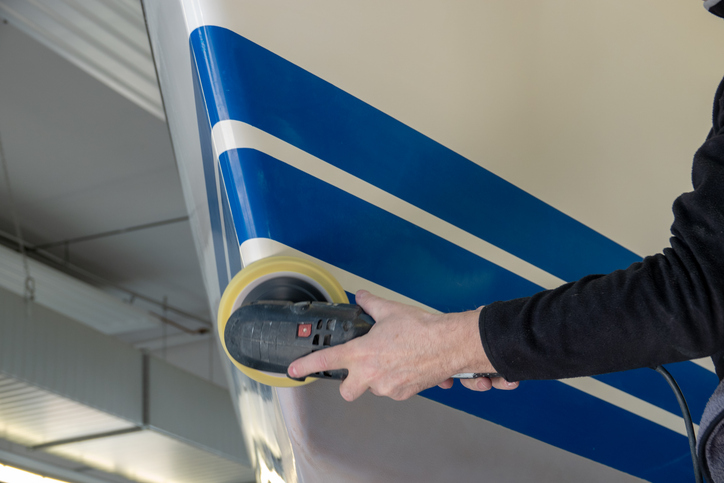
Sailboat hull maintenance starts with a regular wash and a close look at the gelcoat for chips, cracks, and blisters. Below the waterline, bottom paint slows marine growth, and it wears away over time, so follow the paint maker’s and local yard’s advice on how often to repaint.
Check sacrificial anodes (zincs) during haul-outs and replace them as they erode. Inspect through-hull fittings and seacocks, since a failed fitting is a serious problem.
Rigging and Sails

Look at standing rigging for corrosion, broken strands, and loose fittings, and have a rigger inspect it at the intervals the rigging maker and your insurer recommend.
Check running rigging for chafe and replace worn lines. Rinse sails with fresh water, repair small tears early, and protect them from sun. UV damage is a quiet cost on any sailboat.
What Does a Sailboat Maintenance Schedule Look Like?
A sailboat maintenance schedule splits the work by frequency:
- Before every outing: check engine oil and coolant, bilge, batteries, rigging, and safety gear.
- Monthly: wash the boat, test the bilge pump and lights, check hoses and clamps, and look over sails and lines.
- Seasonally: service the engine, inspect the rigging, and check anodes and the head.
- Annually: haul out for hull inspection and bottom paint, change fuel filters and impellers as scheduled, and review insurance and safety equipment.
Keep a written log of every service, with dates and engine hours. A log makes future work easier and supports resale value.
What is the Sailboat Maintenance Cost? What Shapes the Bill
Sailboat maintenance cost varies widely, and no single figure fits every boat. Size, age, build quality, how often the boat is used, where it is kept, and whether you do the work yourself all matter.
Boats used for paid charters carry more wear than weekend boats, because they run more hours. For a broader view of ownership expenses, see the guide to the real cost of owning a boat. Build a budget from local yard quotes and the manufacturer service schedules rather than a rule of thumb.
DIY or Hire a Professional?
Owners can handle cleaning, basic checks, and fluid changes. Standing rigging, electrical work, engine repairs, and anything affecting safety or the hull’s integrity belong with qualified professionals. Find a marine mechanic and a yard you trust before something breaks.
Maintenance for Charter Boats
A charter boat must be ready every time guests arrive, so inspection and cleaning happen on a tight rhythm. Owners who do not want to carry that workload can use charter management.
Blue Life Charters handles regular inspections, cleaning, and servicing, and requires a recent survey from a locally listed marine surveyor. Learn more on our yacht charter management services.
How is Sailboat Maintenance in Charleston Conditions?
Warm southeastern water speeds marine growth on a hull and on propellers, so bottom paint and cleaning intervals matter more than they would in cold water.
Summer sun breaks down sail cloth, gelcoat, and canvas, and humid air invites mildew below deck, so ventilation fans and regular airing help. Salt reaches every fitting, so rinse deck hardware and check for corrosion at the same time you rinse the boat.
What to Record in Your Maintenance Log?
- Engine hours at every oil and filter change
- Dates for impeller, belt, and anode replacements
- Haul-out dates and the bottom paint used
- Rigging inspections and who performed them
- Safety gear expiration dates
Safety Equipment and Hurricane Season
Safety gear needs regular checks, not just at the start of the season. Make sure life jackets are in good condition and the right size, check the charge and the expiration dates on fire extinguishers and flares, and test the horn and lights. In Charleston, hurricane season runs from June through November, so every owner needs a storm plan. Review the marina’s requirements and the insurance policy’s named-storm terms well before a storm is forecast, and keep the sailboat maintenance schedule current so the boat is ready to be secured quickly.
When to Call a Professional Right Away
- Overheating or loss of oil pressure in the engine
- Water entering the boat faster than the bilge pump can handle
- Damage to rigging, keel, or rudder
- Electrical smells, sparks, or repeated breaker trips
Skip the Upkeep, Keep the Sailing
Not every sailor wants to run a sailboat maintenance schedule. A private sailing charter lets you enjoy Charleston Harbor with the boat prepared by a captain, for up to 6 guests. Book online or call (843) 743-4915, or ask about charter management if you own a boat.







Leave A Comment
You must be logged in to post a comment.